

Deepfake Detection Software
Reliable technology to detect deepfakes & prevent identity spoofing
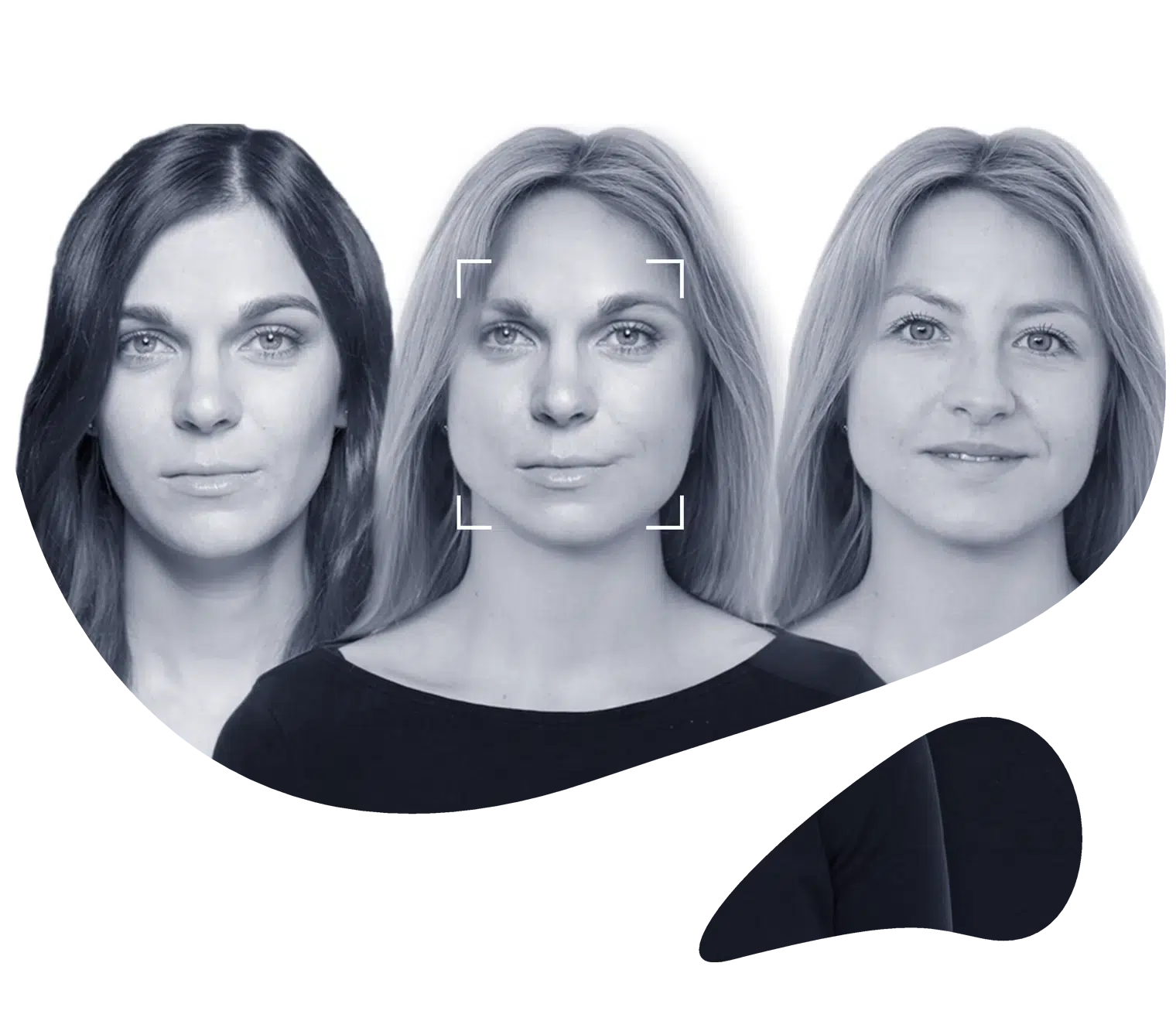
In the landscape of advanced digital manipulation, reliable deepfake detection software is highly in demand. BioID employs sophisticated algorithms, leveraging artificial intelligence to verify the authenticity of visual content. This guarantees a strong defense against the growing threat of deceptive media in identity verification processes.
How BioID Deepfake Detection works
BioID Deepfake Detection is specifically designed to secure digital identity verification from fraud. It discerns whether a face found in an image or video is a deepfake/AI-generated/AI-manipulated or an original photo. This capability helps prevent criminals from overcoming digital identity verification by impersonating someone else using a deepfake.
1

Face Data Collection
Generate huge ethnical and gender-diverse data sets of real and (deep) fake faces.
2

Deepfake Identification
Train AI to recognize the differences between authentic and potentially manipulated content.
3

Authentication
Integrate deepfake detection software tools into verification services for liveness detection and biometric authentication.
FAQs
What is Deepfake Detection?
Deepfake detection technology involves identifying AI-generated content, such as realistic videos or images, created by using deep learning techniques. Methods include forensic analysis, biometric comparison, machine learning models, and specialized tools. These methods distinguish between authentic and manipulated fake media. As deepfake technology advances, efforts aim to detect misuse and maintain trust in multimedia.
Why Deepfake Detection?
Deepfake detection systems are the best way to combat malicious ai-generated media content. By implementing deepfake identification, individuals and organizations can minimize the risks of misinformation, privacy breaches, and potential manipulation of public opinion. This maintains the integrity of and trust in the digital world.
How does it work?
The technology typically uses machine learning algorithms to analyze facial features, gestures, and other elements in videos. These algorithms are trained on large datasets real and synthetic (deepfake) videos. After identifying the patterns and anomalies of the dataset, the detection distinguishes between genuine and manipulated content. Additionally, some software also analyzes inconsistencies in lighting, shadows, and reflections.
What kinds of Face Deepfakes exist?
AI-generated face deepfakes convincingly manipulate facial features. An MDPI survey identifies four main types of such: Identity swap (replacing one’s face with another). Face reenactment (transferring facial expressions and movements from one person to another). Attribute manipulation (modifying facial attributes like age, gender, hair color, or facial hair and thus altering a person’s appearance). And face synthesis (generative AI that creates a complete new face, crafts a lifelike and unique identity of a non-existent person).
Key Benefits of Deepfake Detection

Easy-to-integrate API
Ready to enhance any online service.

Real-time Analysis
Receive instant feedback on photos and videos.

Anti-Spoofing
Prevent identity spoofing through deepfakes, AI-manipulated & AI-generated content.

Ethically Trained Datasets
Datasets that ensure reduced bias and enable face matching.
Test how to prevent AI Fraud and try all BioID services in a free trial on the Playground!
Stop Deepfake Identity Fraud
The Wild West of Biometrics - Podcast
How to Prevent Virtual Camera Attacks
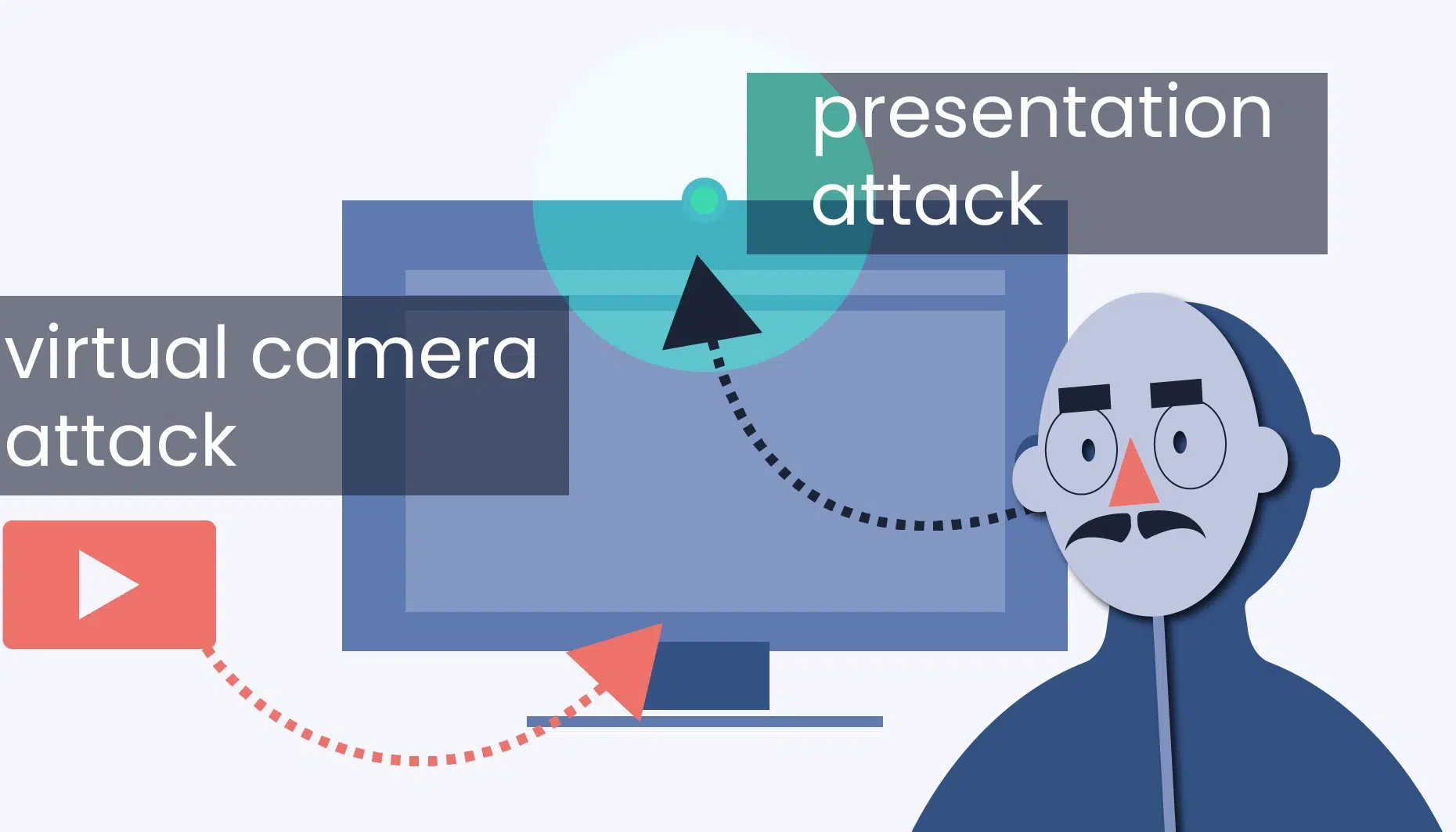
Fraud in the area of digital identity verification must be prevented. It is important to distinguish between two different types of fraud attacks, namely presentation attacks and application-level attacks.
BioID offers solutions for both types of fraud attacks.
BioID’s liveness detection technology prevents presentation attacks that occur at the sensor level, such as in front of a camera. It prevents fake biometric data from being presented to the camera by identifying and blocking various types of spoofing attempts, such as video replays, deepfakes on screens, 3D paper, silicon masks, and more. Liveness detection algorithms automatically reject any type of replays on displays – a deepfake presented as such – is no high-risk attack. It would be detected with the common methods, e.g. forensic texture detection and artificial intelligence.
Stopping biometric fraud and deepfakes is only a problem if the camera source is attacked, e.g. with a virtual webcam. These so-called ‘virtual camera injection attacks’ are when someone manages to inject a deepfake video directly into an end-user application as a modified video stream. To detect AI manipulation in photos and videos directly, BioID offers its Deepfake Detection software. To add a layer of security against video injections using prerecorded deepfakes BioID offers its patented challenge-response mechanism since 2004.
Additionally, BioID advises to use blacklisting and native apps.
Deepfake Detection Software in Combination with Secure Apps
Deepfake Detection
Identifies whether a face in an image or video is a deepfake, AI-generated, AI-manipulated, or original.

Native Apps
Use (native) apps to ensure secure video captions and prevent virtual and modified camera signals in end-user apps.

Blacklisting
Blocks virtual camera drivers if using browser-based applications (OBS, ManyCam, Avatarify etc.)

Challenge-response
Mechanisms can be added as an extra layer of security to reject pre-recorded videos/deepfakes.
Fake ID – German Funded Research

Since 2020, ongoing research has been conducted at BioID in Nuremberg to actively try methods to spot deepfakes in photos and videos in real-time. As part of this effort, BioID is collaborating with an AI security research consortium funded by the German Federal Ministry of Education and Research (BMBF).
BioID is involved in the FAKE-ID Deepfake Detection Research, utilizing its proprietary anti-spoofing technologies and expertise in biometrics.
The main objective of the FAKE-ID consortium is to develop a deepfake detection software using artificial intelligence (AI). Deepfakes and the procedures involved in their creation are examined thoroughly with the aim to develop generative AI detection algorithms. In addition to a supporting mechanism for legislative, the deepfake detectors can be used to verify identities remotely. In terms of legal and ethical argumentation, the consortium carefully examines how detection software affects individuals’ rights and society as a whole.
Deepfake and Identity Fraud Defense
New datasets are regularly generated to improve deepfake technology, drawing from millions of images trained by various apps like: Dall-E, Midjourney, Leonardo AI, Stable diffusion and DeepFaceLab. And Fun apps such as Animafy, Animate, Avatarify, Copyface, DeepfakeStudio, FaceApp, Facefy, FacePlay, Impressions, Jiggy, MugLife, MyHeritage, Nostalgia, Reface, VidAvatar, Wombo, and Xpression.
To counter these advancements, BioID continuously updates its Liveness Detection, including defenses against deepfakes and identity fraud, while meeting ISO/IEC 30107-3 standards.


Where Deepfake Attacks can be Prevented
KYC/AML
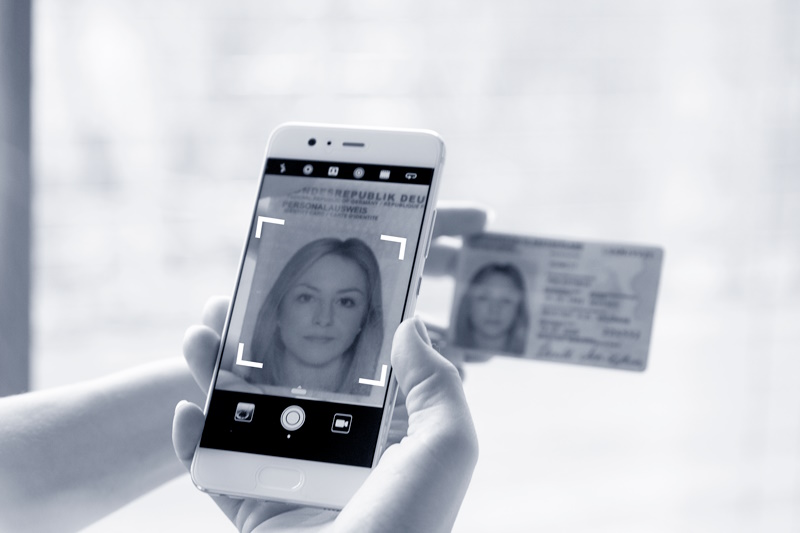
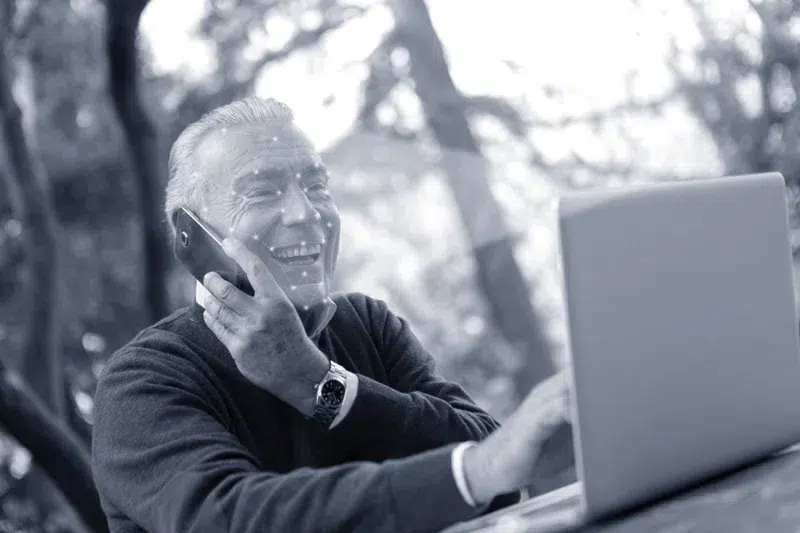
ID ownership verification for online banking and digital onboarding.
Pension Administration
“Proof of life” verification for welfare recipients of pensions and benefits.
What’s the Difference between Deepfakes & Cheapfakes?
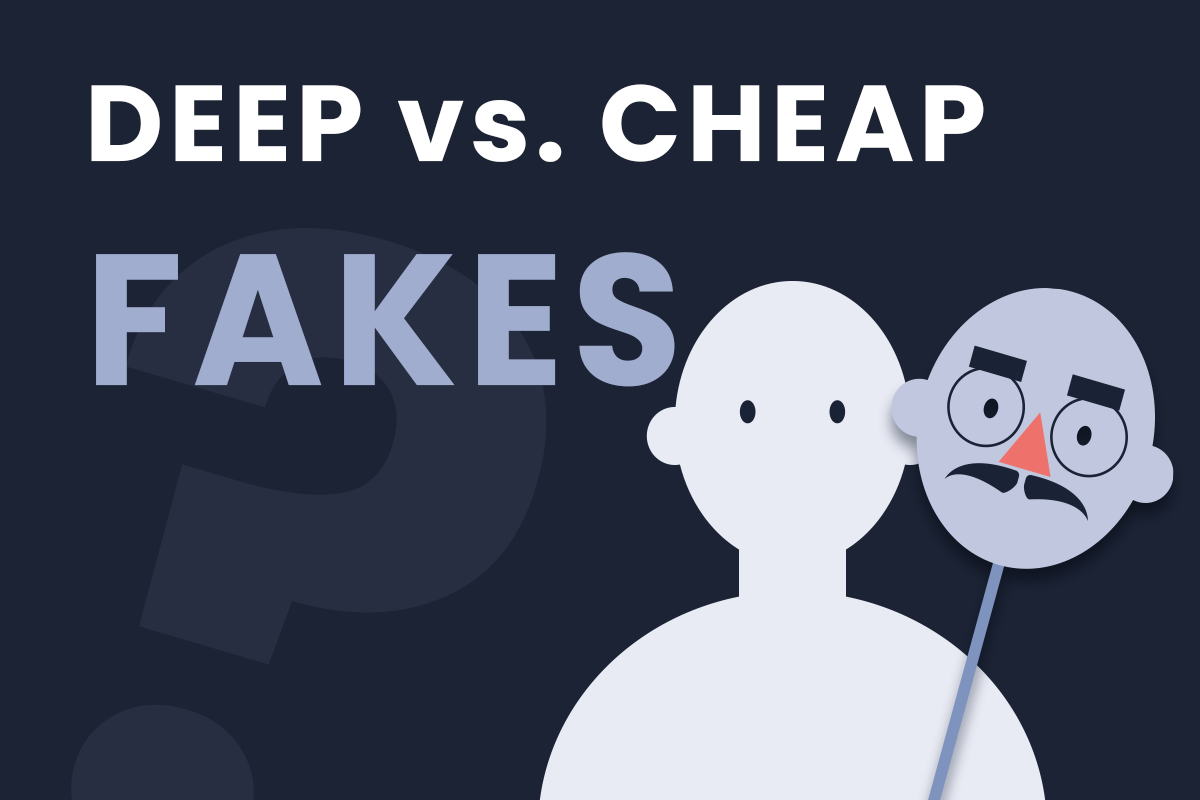
Deepfakes and cheapfakes represent two distinct categories of deceptive face images. Each are characterized by their differences of sophistication and intent. Deepfakes (“deep learning fakes”), are advanced machine learning techniques and neural networks that generate highly realistic visual content alterations. The technology seamlessly replaces faces, posing a significant challenge for detection. In contrast, cheapfakes involve less technologically sophisticated methods. They often utilize basic editing tools. Despite being less convincing than deepfakes, cheapfakes can still deceive, particularly on social media. To combat both methods, a reliable deepfake verification technology is needed. BioID’s liveness detection model is able to identify fake images and videos of persons and authenticate a real individual as such.
Made in Germany
since 1998

Originating from the research institute Fraunhofer IIS in 1998, BioID is a German biometrics company.
Our technology has a proven record since its inception and is trusted by countless enterprises, banks, and government organizations.